What Expert Farm Supervision Does for Animals?
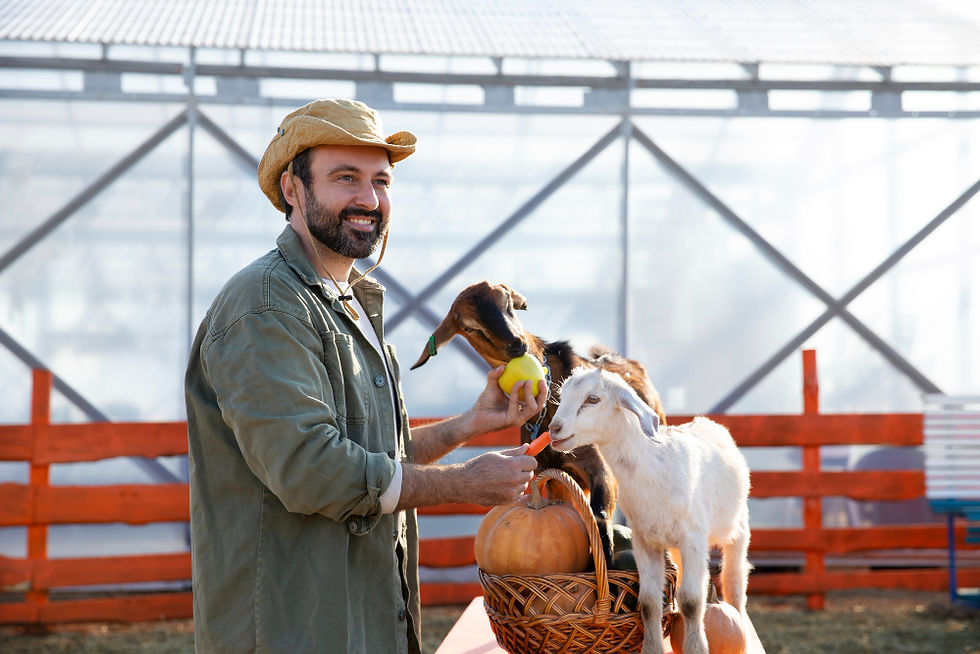
Taking care of farm animals is not easy. Animals need proper food, clean shelters, good health care, and daily attention to stay healthy. This is why many farms use expert farm supervision services. Professional farm supervisors help farmers manage animals properly and keep the farm running smoothly.
Expert farm supervision is important for dairy farms, poultry farms, horse farms, sheep farms, and goat farms. It improves animal welfare, prevents diseases, and increases farm productivity.
Understanding Expert Farm Supervision
Farm supervision means managing and monitoring farm animals every day. Skilled supervisors check the animals, their living areas, feeding systems, and overall farm conditions.
Their main goal is of expert farm supervision is to make sure animals are healthy, safe, and comfortable. Good supervision also helps farmers avoid losses caused by diseases, poor nutrition, or unsafe farm conditions. Professional farm supervisors work closely with veterinarians and farm owners to maintain proper animal care.
Daily Health Monitoring for Animals
One of the most important parts of farm supervision is checking animal health daily. Supervisors observe the animals closely to spot early signs of illness or injury. They check for:
Loss of appetite
Low energy
Weight loss
Coughing or breathing problems
Skin infections
Limping or injuries
Early detection prevents diseases from spreading to other animals. Quick treatment also reduces stress and improves recovery. Healthy animals grow faster, produce better milk, eggs, or meat, and stay active for longer periods.
Feeding and Nutrition Management
Animals need the right nutrition to stay healthy. Farm supervisors make sure each animal gets proper food and clean water every day. Different animals need different diets. For example:
Dairy cows need balanced nutrition for milk production
Poultry birds need protein-rich feed
Horses need fiber-rich diets
Sheep and goats need healthy grazing and minerals
Supervisors also check the quality of animal feed. Bad or contaminated feed can make animals sick. Proper feed storage is also important to stop mold, pests, and bacteria growth. Good nutrition improves animal growth, fertility, and productivity.
Farm Hygiene and Cleanliness
Clean farms prevent infections and diseases. Expert farm supervision includes regular cleaning and sanitation of animal shelters, barns, stables, and feeding areas. Supervisors ensure:
Animal waste is removed properly
Water containers stay clean
Bedding materials are changed regularly
Ventilation systems work properly
Good hygiene creates a safer environment for animals and workers. It also reduces bad odors and harmful bacteria on the farm.
Vaccination and Preventive Care
Preventive healthcare is another key part of farm supervision. Supervisors maintain vaccination schedules and health records for animals.
Vaccines protect livestock from dangerous diseases that can spread quickly across farms. Supervisors may also manage:
Deworming programs
Tick and flea control
Parasite prevention
Regular veterinary visits
Preventive care keeps animals healthier and lowers medical costs in the future.
Breeding and Reproductive Management
Expert farm supervisors assist with animal breeding programs. They track breeding cycles and ensure animals receive proper care during pregnancy.
Good breeding supervision helps:
Improve livestock quality
Increase healthy births
Reduce pregnancy complications
Support newborn animal care
Healthy reproduction is important for long-term farm success.
Animal Welfare and Safety
Animal welfare is a major responsibility on every farm. Supervisors ensure animals are treated humanely and kept in safe conditions. This includes:
Preventing overcrowding
Protecting animals from extreme weather
Providing enough space to move freely
Reducing stress and fear
Comfortable animals are healthier and more productive. Proper welfare practices also improve the farm’s reputation and meet industry standards.
Record Keeping and Farm Reporting
Farm supervision also includes keeping detailed records about the animals and farm activities. Important records may include:
Vaccination history
Feeding schedules
Breeding records
Medical treatments
Milk or egg production reports
Accurate records help farmers track animal performance and make better management decisions.
Benefits of Expert Farm Supervision
Hiring experienced farm supervisors offers many advantages. It helps improve animal health and supports efficient farm operations. Main benefits include:
Better disease control
Higher productivity
Improved animal welfare
Lower animal losses
Better breeding success
Cleaner and safer farms
Professional supervision saves time and helps farmers focus on growing their business.
Conclusion
Expert farm supervision plays a big role in keeping farm animals healthy, safe, and productive. From feeding and health checks to hygiene and breeding management, professional supervision supports every part of animal care.
Healthy animals lead to successful farms. With proper supervision, farmers can improve livestock welfare, prevent diseases, and increase farm productivity for the future.


Comments